 0161 962 7261
the environmental case for a bespoke kitchen over flat-pack
Flat-pack kitchens are often assumed to be the more budget-conscious choice, but a closer look at material use, longevity and waste tells a more nuanced story.
longevity reduces long-term waste
A well-constructed bespoke kitchen, built to fit your space precisely and using durable materials, is designed to last decades rather than years. Fewer replacement cycles mean less material entering landfill over the life of your home.
precise sizing reduces material waste
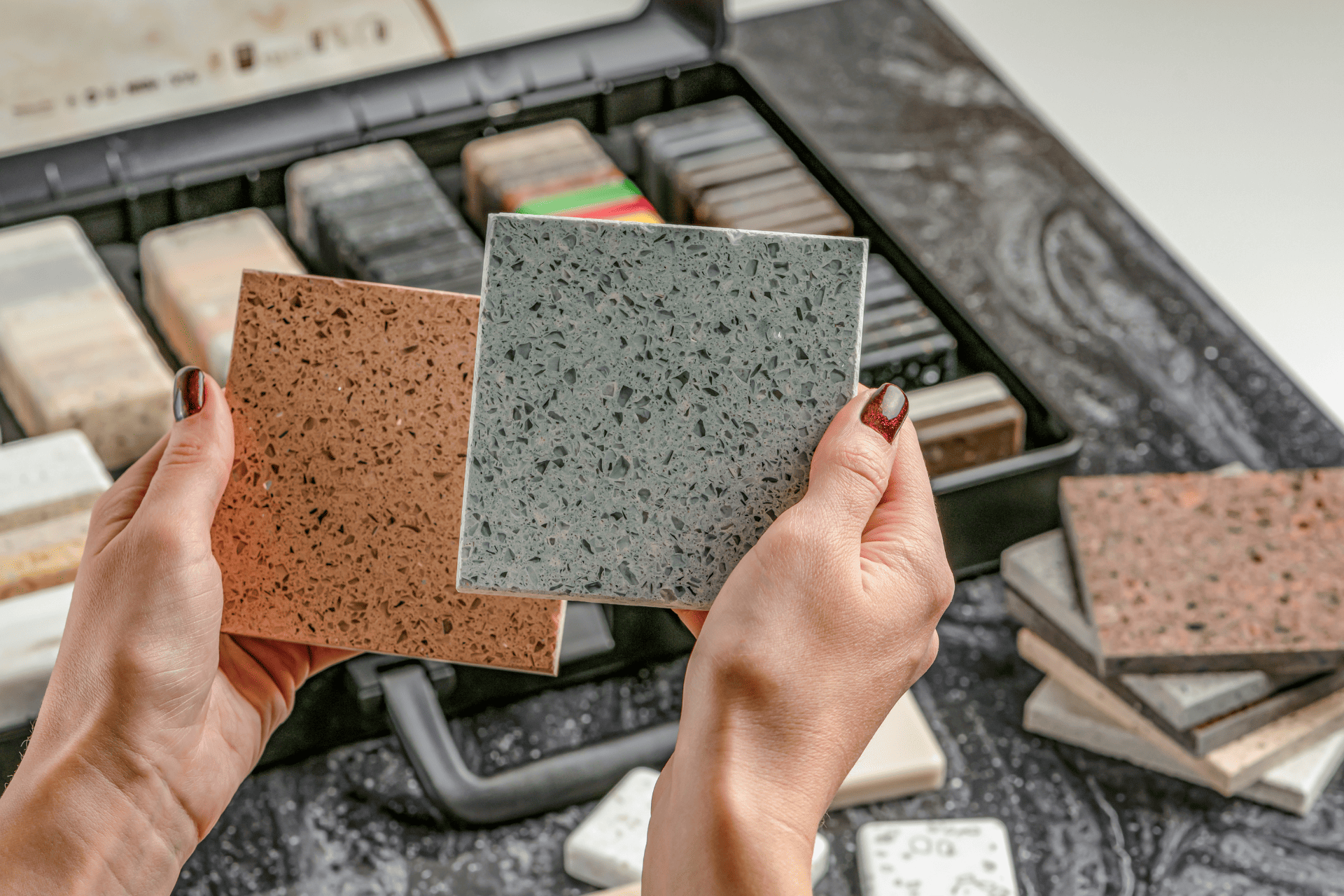
Bespoke cabinetry is built to your exact room dimensions, avoiding the filler panels and awkward gaps that standard flat-pack modules often require, which reduces both material waste and visual compromise.
repairability over replacement
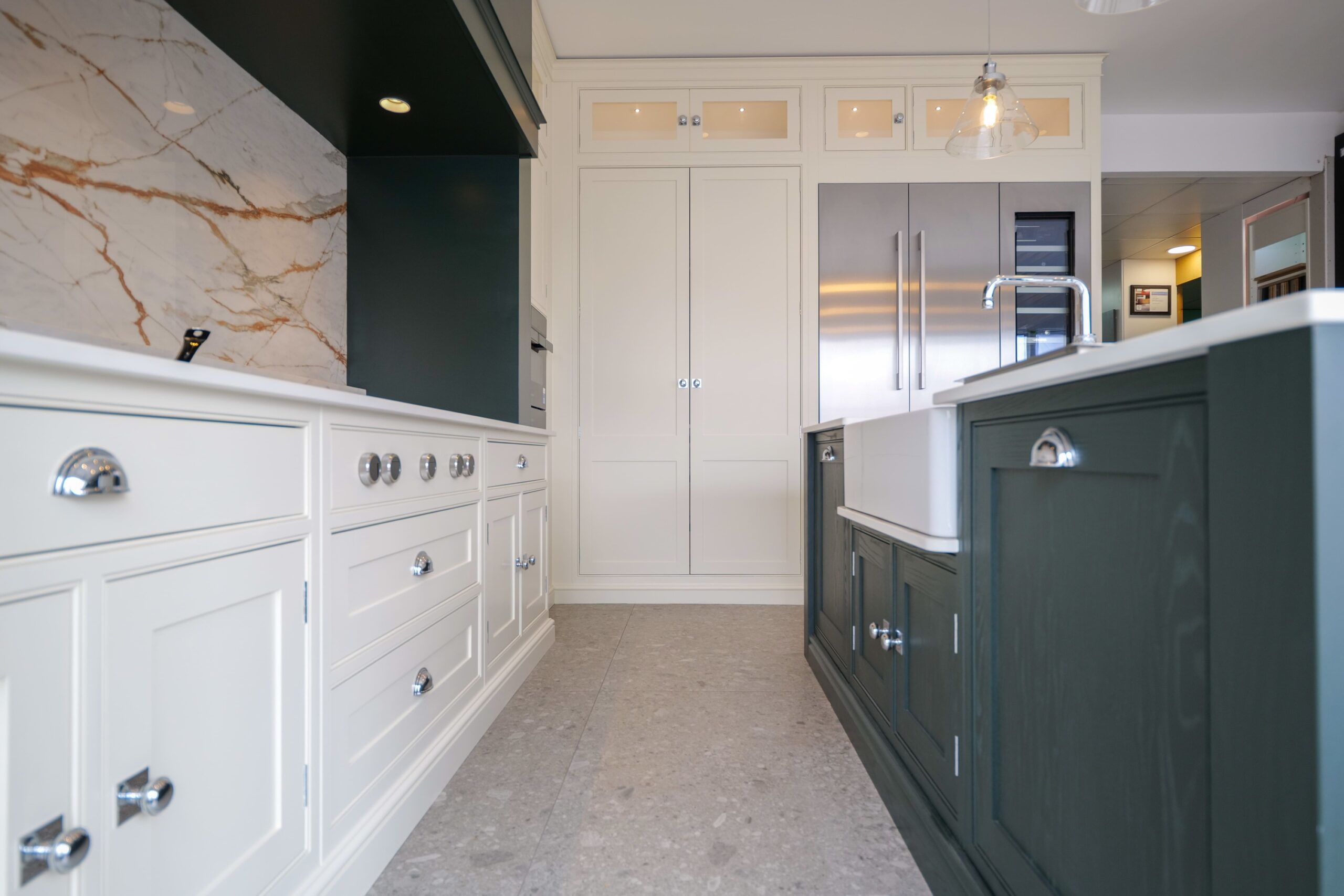
Quality solid wood and well-constructed cabinetry can often be repaired, refinished or partially replaced rather than requiring a full kitchen replacement, extending its useful life considerably further than most flat-pack construction allows.
sourcing and supply chain transparency
Working directly with a bespoke kitchen designer allows for genuine conversations about material sourcing, from cabinet construction standards to timber certification, a level of transparency that’s harder to achieve with mass-produced flat-pack ranges.
considering the full picture
Sustainability isn’t only about the upfront material, it includes how long a product lasts, how it’s disposed of, and how efficiently it uses resources over its lifetime. On all three measures, a well made bespoke kitchen generally compares favourably.
frequently asked questions
Is a bespoke kitchen always more expensive than flat-pack?
Upfront cost is often higher, though the comparison changes considerably when factoring in lifespan and replacement frequency.
Does bespoke automatically mean more sustainable?
Not automatically, sourcing and construction quality matter, which is why it’s worth asking your designer directly about materials.
Can flat-pack kitchens be recycled?
Some components can be, though mixed materials in lower cost flat-pack construction can make full recycling more difficult than with solid, mono-material components.
How does suga•küchen approach sustainability?
We prioritise responsibly sourced materials and durable construction across our suga•handmade and branded ranges, and are happy to discuss specifics during your consultation.
What should I ask about sustainability when getting a quote?
Ask about timber certification, carcass material, and expected lifespan, these questions reveal more than a general sustainability claim alone.