 0161 962 7261
kitchen design ideas for knutsford homes
Knutsford is home to a wide mix of properties, from handsome period houses and characterful town homes to beautifully extended family spaces with more contemporary layouts. That variety is part of what makes kitchen design here so interesting. No two homes call for exactly the same solution, and the most successful kitchens are always the ones that feel right for the building as well as the people living in it.
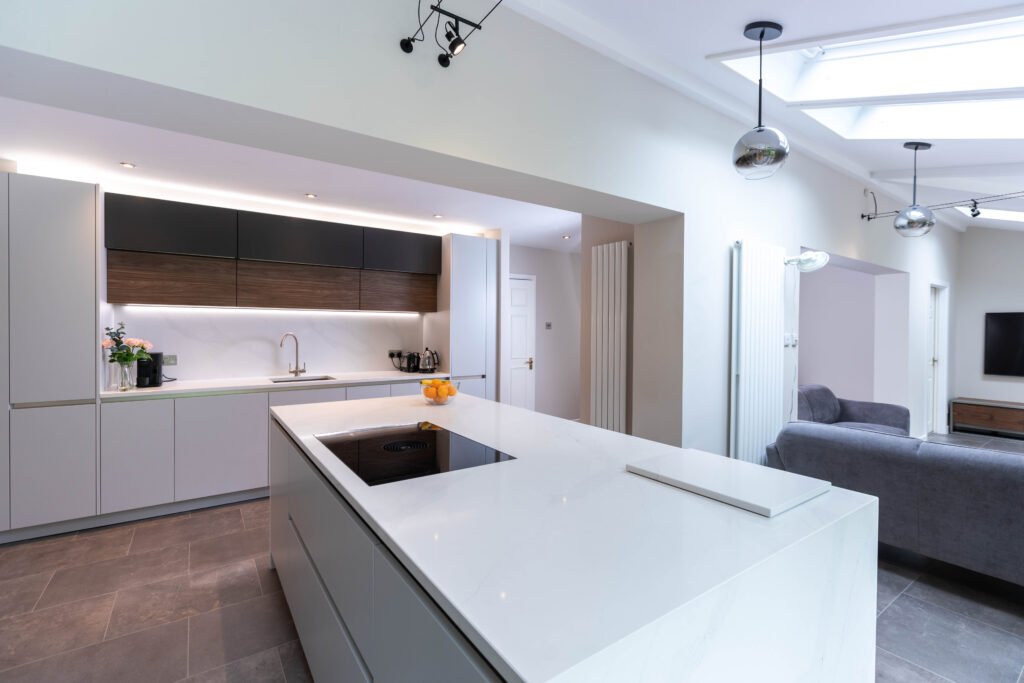
When planning a new kitchen, it helps to think beyond colours and cabinetry alone. A well-designed space should support the way you move through the room, the way you cook, the way you entertain, and the way the rest of your home connects around it. For homeowners looking for inspiration, our Knutsford kitchen design page is a useful starting point, but there are also several broader design ideas worth considering before a project begins.
start with how the space needs to work
One of the most common mistakes in kitchen design is focusing too early on appearance before the layout has been properly resolved. However refined the finishes may be, a kitchen will only feel successful if it works naturally day to day.
For many Knutsford homes, that means thinking carefully about flow. In some properties, the kitchen needs to open up into a dining or living area to create a more sociable arrangement. In others, the challenge is to improve storage, gain more preparation space, or make better use of natural light. Even relatively subtle changes to the layout can make the room feel calmer, more generous and easier to use.
A good place to start is by identifying what matters most in daily life. You may want a kitchen that supports busy family mornings, a space that feels uncluttered and easy to maintain, or a room designed for hosting friends and extended family. Once those priorities are clear, the design can respond in a much more meaningful way.
consider whether open-plan living is right for your home
Open-plan kitchens remain a popular direction for many homeowners, particularly where the ground floor has been extended or reconfigured. They can make a home feel lighter, more connected and better suited to modern living, especially when the kitchen also needs to function as a social hub.
That said, open-plan design works best when it is carefully considered. The kitchen still needs a clear sense of structure, even when it shares space with dining and living areas. Islands, peninsulas, lighting changes and material shifts can all help define different zones without closing the room down.
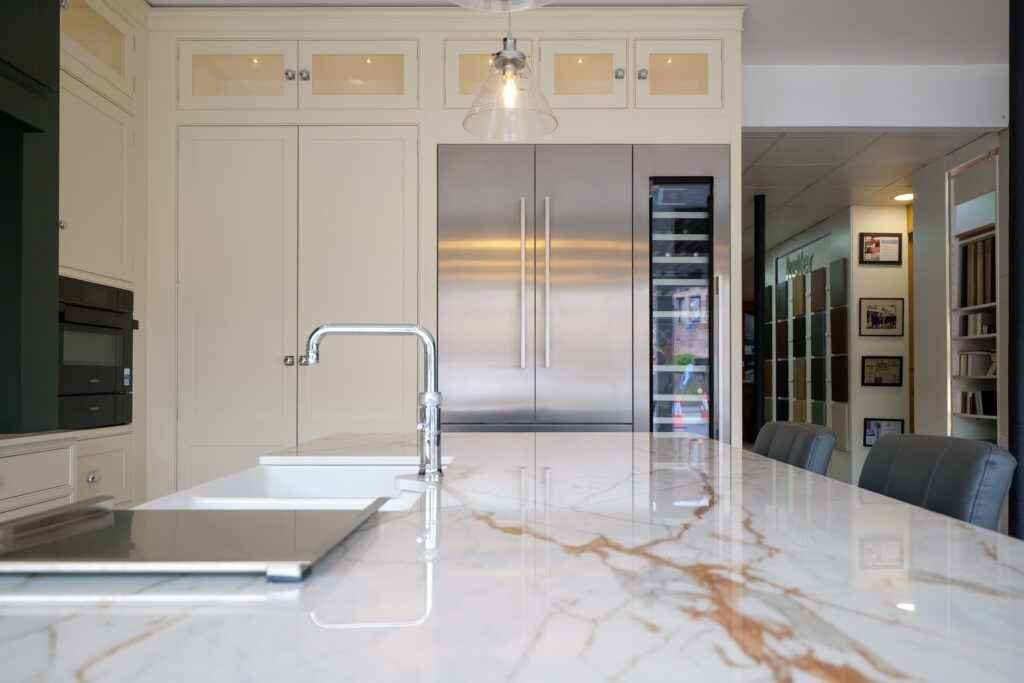
In Knutsford homes, this can be especially effective where the goal is to balance elegance with practicality. A generous island may create a natural gathering point, while tall cabinetry can house appliances and pantry storage neatly out of sight. The result is a room that feels open and welcoming without losing the discipline of a well-planned kitchen.
let the character of the property guide the design
A kitchen should never feel disconnected from the home around it. Whether the property is older and full of detail or newer with a cleaner architectural language, the design should respond to that context.
In period homes, this might mean introducing contemporary functionality in a way that still feels sympathetic to the building. Materials with warmth and texture can help the kitchen sit more comfortably within a traditional setting, while carefully proportioned cabinetry and more understated detailing often create a timeless result.
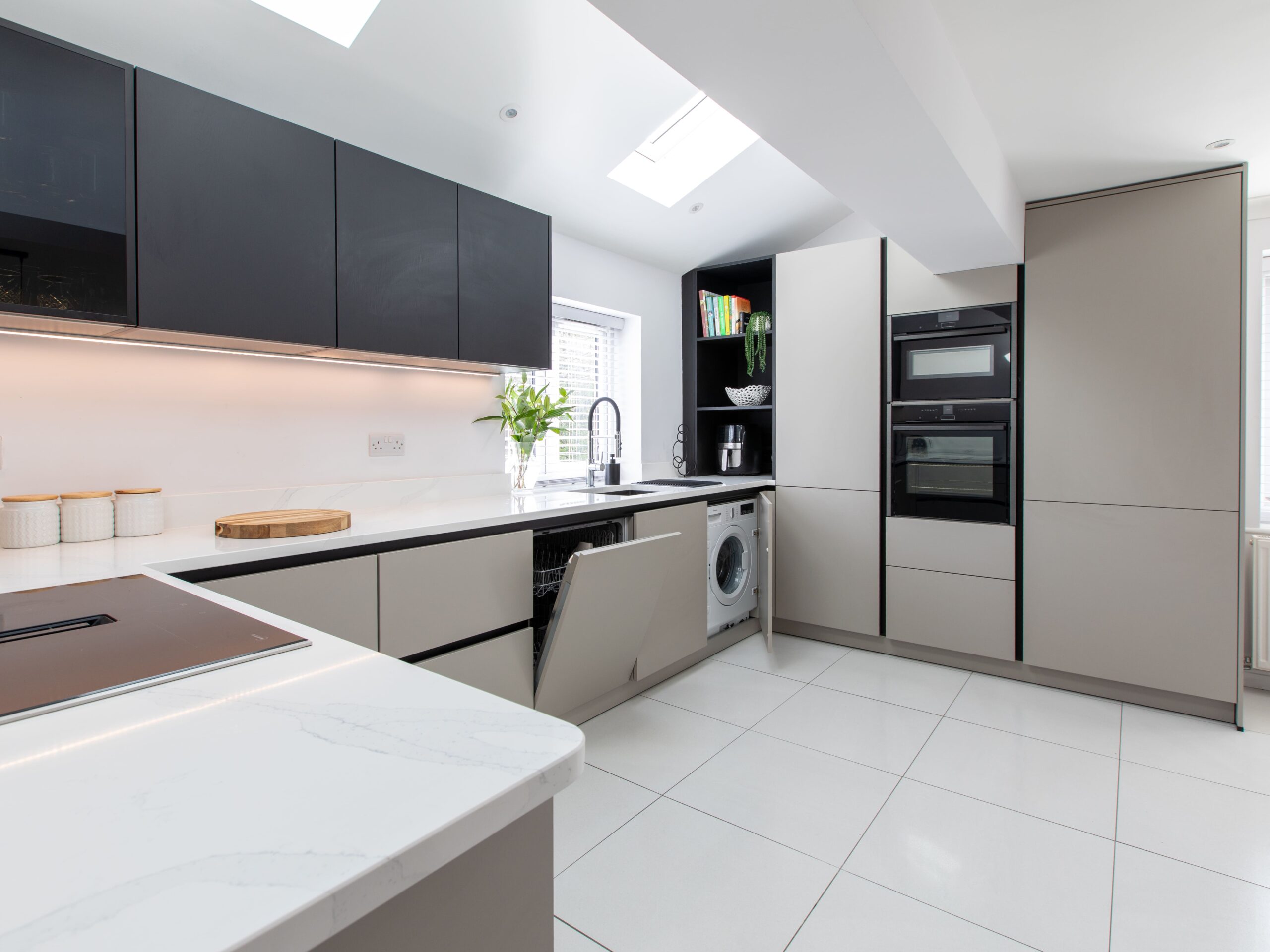
In newer homes or extensions, the approach may lean further towards sleek lines, handleless forms and a lighter visual feel. That does not mean the room has to feel cold or minimal. Natural finishes, layered lighting and subtle contrast can bring softness and personality into a contemporary space.
The most successful kitchens are often the ones that avoid chasing a look for its own sake. Instead, they feel as though they belong exactly where they are.
choose materials that will still feel right years from now
Kitchen design is a long-term investment, so it makes sense to choose materials that combine visual appeal with durability. Worktops, cabinetry finishes, flooring and hardware all need to perform well in daily use, but they also shape how the space feels.
For homeowners in Knutsford, there is often a preference for kitchens that feel refined rather than showy. That can translate into softly textured finishes, natural tones, well-balanced contrasts and materials that age gracefully. A palette does not need to be dramatic to feel distinctive. In fact, some of the most elegant kitchens are built around restraint and consistency.
It is also worth thinking about how the materials interact with light throughout the day. Matt and satin finishes can soften glare, timber tones can add warmth, and stone surfaces can bring depth and permanence. When those choices are made in relation to the room itself, the whole kitchen tends to feel more resolved.
don’t overlook storage and hidden functionality
Beautiful kitchens are often defined just as much by what you cannot immediately see. Thoughtful storage planning helps preserve the visual calm of the room while making everyday life easier.
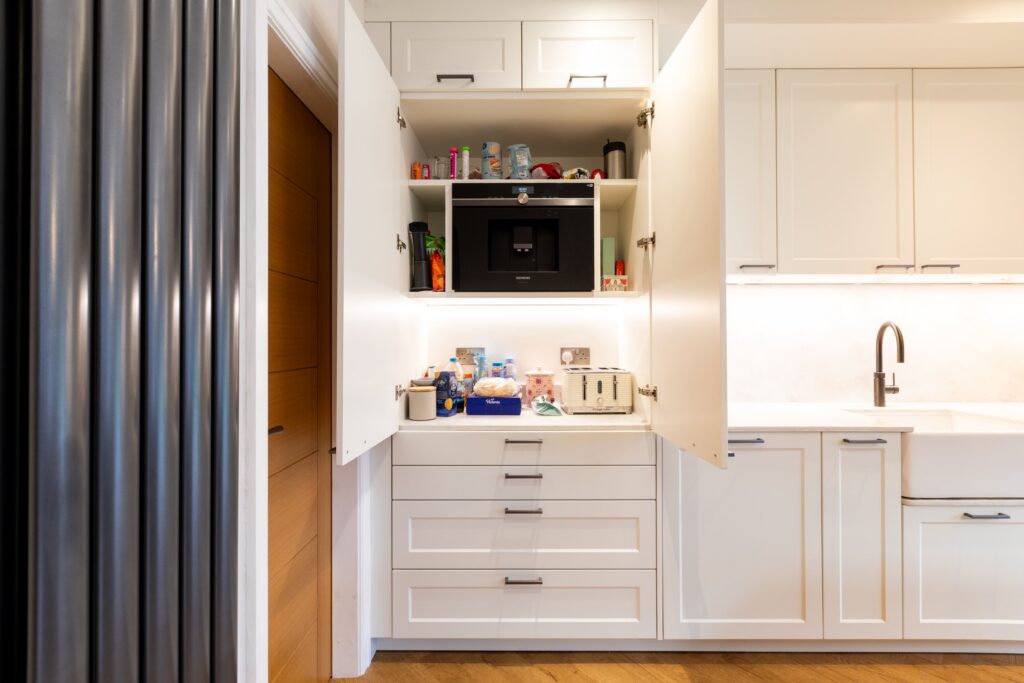
That might mean deep drawers instead of traditional cupboards, tall larder storage for dry goods, integrated recycling, hidden small-appliance storage, or more efficient internal organisation for pans, crockery and utensils. In open-plan kitchens especially, keeping surfaces clear makes a huge difference to how the space feels.
Hidden functionality also extends to appliances and technology. Integrated solutions can help maintain a cleaner visual line, while carefully chosen appliance placement can improve how the room works in practice. These details may seem small at the outset, but they often have the greatest impact once the kitchen is in daily use.
use lighting to make the room feel layered
Lighting is one of the most important elements in any kitchen, yet it is often under-considered at the early design stage. A well-lit kitchen needs to do more than provide brightness. It should support preparation, create atmosphere and enhance the materials within the room.
Layering is usually the key. Task lighting helps with practical use around worktops and cooking areas, while softer ambient lighting can make the room feel more inviting in the evenings. Feature lighting over an island or dining area can also add focus and character.
In homes where the kitchen opens into wider living space, lighting becomes even more important because it helps each part of the room feel intentional. A thoughtful scheme can make the kitchen feel just as comfortable for entertaining or relaxing as it does for cooking.
look for inspiration that feels relevant to your home
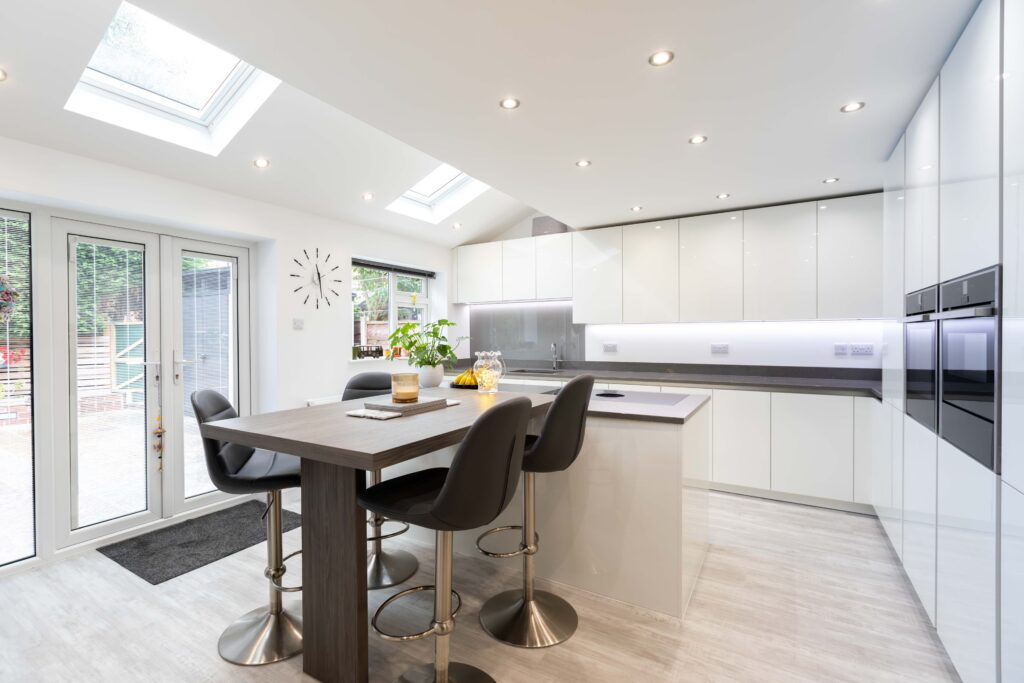
While it is always helpful to gather ideas, the best inspiration is usually the kind that feels achievable and relevant to your own property. Rather than saving every trend-led image you see, it can be more useful to focus on examples that reflect the scale, character and priorities of your own home.
For local inspiration, our Knutsford kitchen project is a strong example of how a kitchen can feel elegant, practical and tailored to its setting. Looking at real projects can help you think more clearly about layout, storage, colour balance and the overall mood you want to create.
That process often leads to better decisions because it shifts the focus away from copying a style and towards building a kitchen that feels personal and well considered.
think about the whole journey, not just the final look
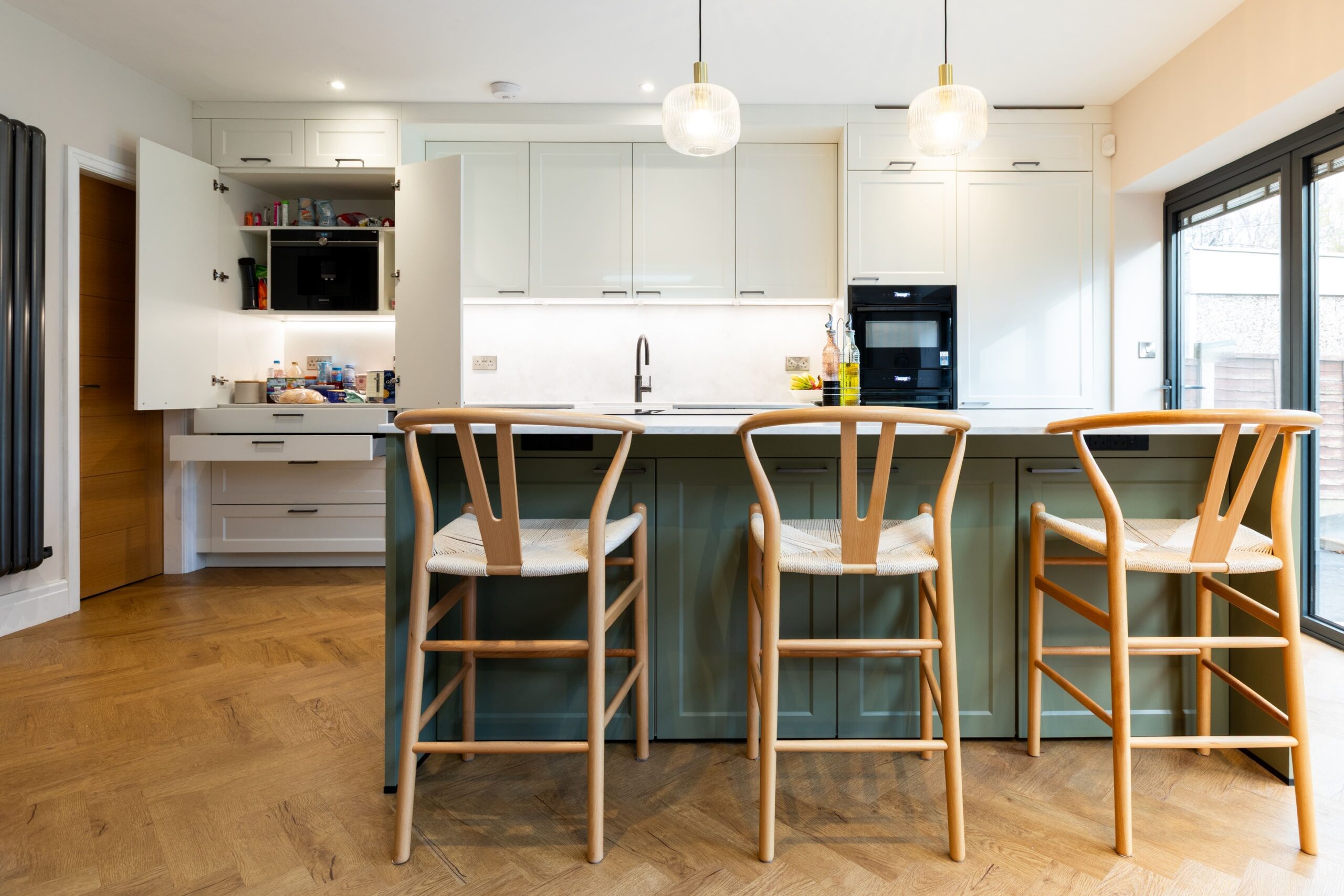
A successful kitchen project depends on more than good design ideas. It also relies on clear communication, careful planning and a consistent vision from the earliest concepts through to installation.
This is where working with an experienced team can make a real difference. When the design process is structured properly, it becomes easier to assess options, refine details and ensure the final space delivers both visually and practically. That is especially valuable in more complex homes, where the kitchen needs to work in harmony with architecture, extensions or wider refurbishment plans.
For many homeowners, the best first step is simply to start a conversation and explore what is possible. Once the priorities of the space are clear, the design can begin to take shape in a way that feels much more intentional.
bringing your ideas together
The best kitchen design ideas for Knutsford homes are rarely about following one fixed formula. Instead, they come from understanding the property, the people using it and the atmosphere the space needs to create.
For some, that means a clean and contemporary kitchen designed around open-plan family living. For others, it means a quieter and more textural scheme that sits comfortably within a traditional setting. In every case, the most successful result is one that feels balanced, practical and completely at home within the property.
If you are beginning to explore ideas for your own project, you can find further inspiration on our Knutsford kitchens page or browse our Knutsford project to see how a tailored design approach can come together in practice.
FAQs
What kitchen style works best for a home in Knutsford?
There is no single style that suits every home in Knutsford. The right approach depends on the character of the property, how the space is used and the overall atmosphere you want to create. Some homes suit a more streamlined contemporary look, while others benefit from a softer and more timeless design language.
Are open-plan kitchens a good idea for Knutsford homes?
Open-plan kitchens can work beautifully in many Knutsford homes, especially where the aim is to create a more sociable and flexible living space. The key is careful planning, so the kitchen feels connected to the rest of the room while still functioning efficiently for cooking, storage and everyday use.
Where can I find inspiration for a bespoke kitchen in Knutsford?
A good place to start is by looking at real projects and local kitchen design examples rather than relying only on broad trend imagery. Browsing tailored design pages and completed projects can help you identify ideas that feel relevant to your home, your layout and the way you live.