 0161 962 7261
why natural materials age better than synthetic alternatives
One of the most compelling arguments for natural materials in kitchen design isn’t how they look on day one, it’s how they look after ten or twenty years of daily use.
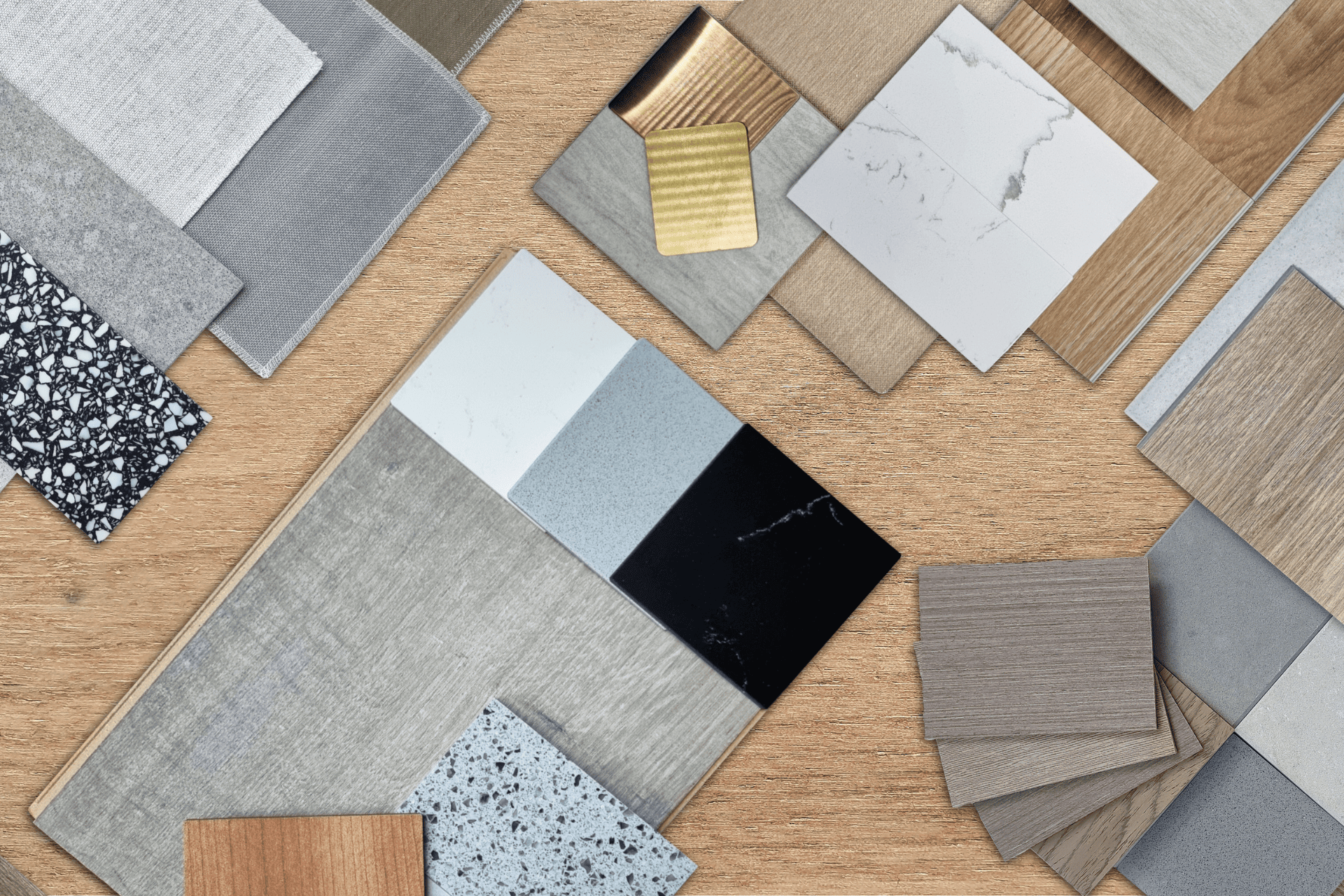
patina versus wear
Natural materials, particularly solid wood and certain stones, develop a patina over time, small marks and tonal changes that add character rather than simply signalling wear. Synthetic surfaces, by contrast, tend to show damage as damage, without the same softening effect.
repairability
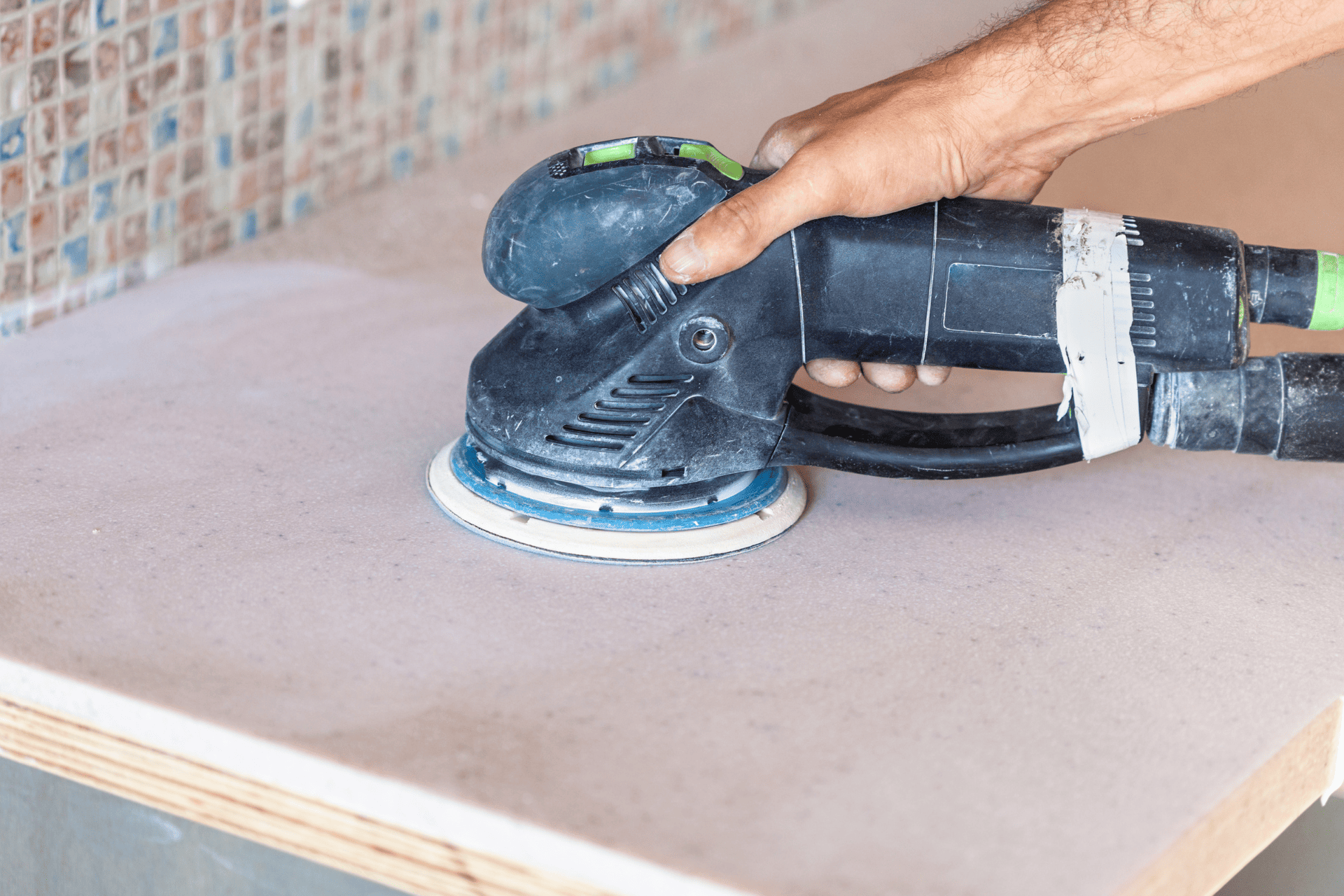
Solid wood can be sanded and refinished, natural stone can often be re-honed or repaired, extending their useful life considerably. Many synthetic surfaces, once damaged, are more difficult or impossible to restore invisibly.
consistency of appearance over decades
While synthetic materials are engineered for visual consistency from day one, that same consistency means any change over time (fading, yellowing, scratching) is more visually obvious against the original, unchanging benchmark.
choosing natural materials thoughtfully
This isn’t a case against synthetic materials, which offer genuine practical benefits, particularly around maintenance and consistency. It’s a case for choosing deliberately, understanding how each material will actually look and perform after real use, not just on installation day.
seeing this in practice
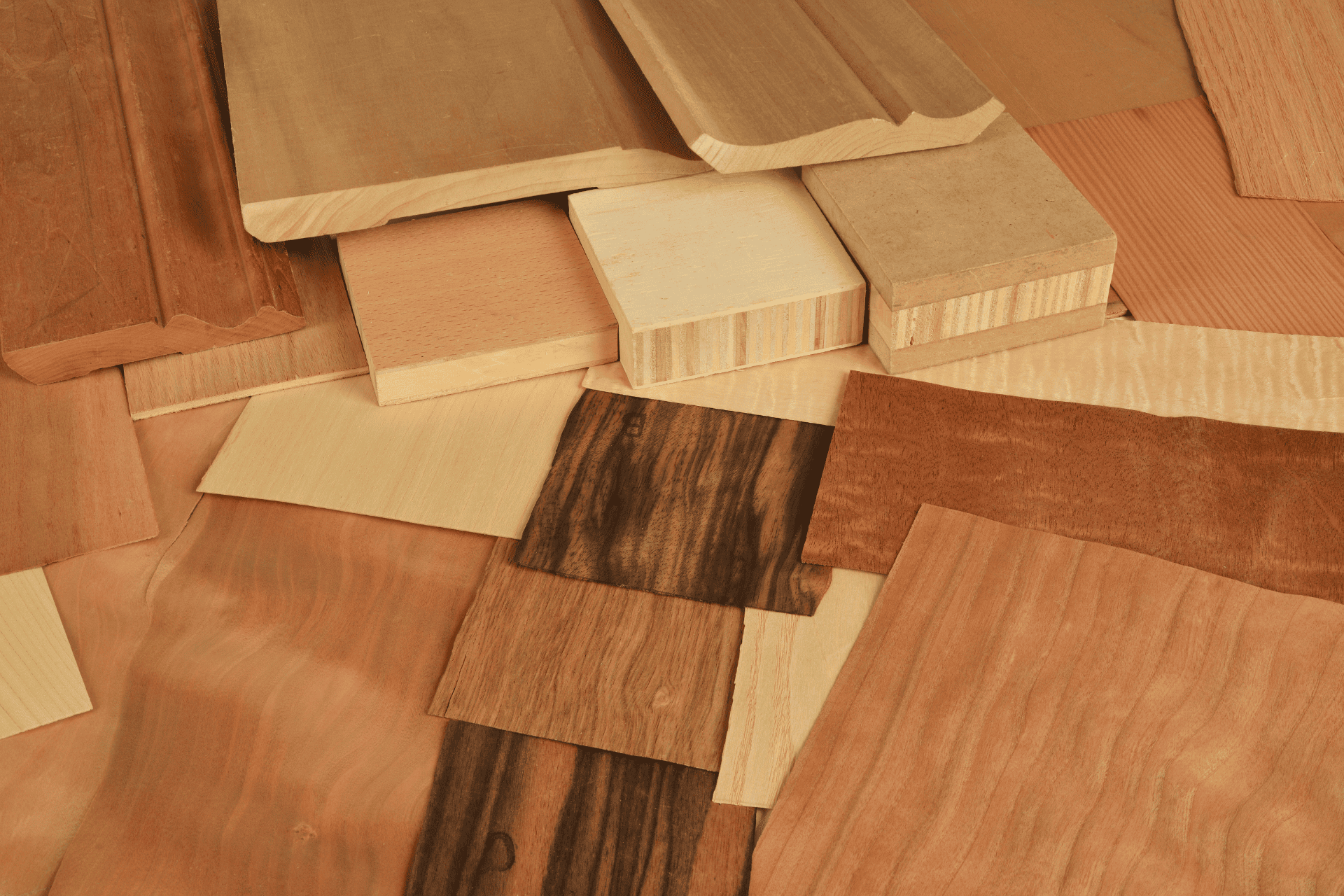
Our client kitchen gallery includes projects several years into daily use, worth viewing if you want an honest sense of how different materials age in real homes rather than in a showroom setting.
frequently asked questions
Do all natural materials develop a patina?
Most solid woods and many natural stones do, though the extent and character of the patina varies by species or stone type.
Is patina the same as damage?
No, patina refers to gradual, generally attractive tonal and textural change, distinct from structural damage or staining, which should still be avoided.
Can synthetic surfaces be repaired if scratched?
Some can be polished or repaired to a degree, though options are generally more limited than with solid natural materials.
Which ages better, natural stone or engineered quartz?
Both age well when properly maintained, natural stone develops more visible character over time, while engineered quartz maintains closer visual consistency.
How can I see aged examples before choosing a material?
Our client kitchens page features completed projects at various stages of use, and our showroom team can share honest feedback from past clients.